
Call us now :08045476504
 Send Inquiry
 Send Inquiry
Power Transmission Line Tower
Price 85000 INR/ Ton
MOQ : 10 Tons
Power Transmission Line Tower Specification
- Product Type
- Power Transmission Line Tower
- Material
- Mild Steel
- Welding Standard
- IS 9595 / AWS D1.1
- Capacity
- Up to 1000 MVA
- Application
- Power Transmission Line tower
- Galvanization Standard
- Hot Dip Galvanized as per IS 2629 / ASTM A123
- Out Coating
- Zinc Coating
- Standard
- IS 802, ASTM A123, IEC 60652
- Shape
- Lattice
- Surface Treatment
- Hot Dip Galvanized
- Height
- Up to 100 meters
- Voltage
- 11 kV to 765 kV
- Design
- Customizable (Monopole, Angular, Tubular)
- Thickness
- 3 mm to 20 mm
- Color
- Silver
- Bolt/Nut Standard
- IS 1363/1367, ISO 898-1
- Foundation Type
- Pile/Foundation with Anchor Bolts
- Assembly
- Bolted construction
- Maintenance
- Minimal
- Corrosion Resistance
- High (Salt Spray > 1000 hours)
- Accessories
- Arms, Cross Bracings, Ladders
- Weight
- Variable (Based on design: 1 to 20 tons)
- Wind Resistance
- Up to 180 km/h
Power Transmission Line Tower Trade Information
- Minimum Order Quantity
- 10 Tons
- Delivery Time
- 7-10 Days
- Main Domestic Market
- All India
About Power Transmission Line Tower
A Power Transmission Line Tower is a tall and durable steel structure used to support overhead power lines for the transmission of electricity across long distances. These towers are designed to carry high voltage and ensure uninterrupted power flow between generation stations substations and distribution networks. Built using strong materials such as mild steel or galvanized steel the towers are engineered to withstand harsh weather conditions including strong winds storms and temperature changes. The tower structure is usually of a lattice type which offers high strength and stability with minimal use of material. These towers can be customized in height design and voltage capacity depending on the project requirements. They play a critical role in power infrastructure for urban and rural electrification. Easy to transport and install on varied terrains power transmission line towers are essential for building reliable and efficient electrical grids.
Robust Wind and Corrosion Resistance
Built for extreme environments, these towers resist wind speeds up to 180 km/h and feature hot dip galvanization per IS 2629/ASTM A123. The >1000-hour salt spray resistance ensures superior durability, perfect for coastal, industrial, and harsh locations where corrosion is a major concern.
Flexible, Customizable Designs
Our towers can be tailored to specifications such as shape (lattice, monopole, tubular), height (up to 100 meters), and foundation type (pile or anchor bolts). This flexibility allows for optimized installations bearing voltage levels from 11 kV to 765 kV, serving a wide range of transmission requirements.
High Standards for Safety and Reliability
Adhering to IS 802, IEC 60652, and relevant ISO/ASTM norms, our towers provide consistent safety, load capacity (up to 1000 MVA), and longevity. Each component, from bolts to welding, meets stringent quality assurance for reliable, long-term operation.
FAQs of Power Transmission Line Tower:
Q: How is the foundation prepared for the power transmission line tower?
A: The foundation is tailored to site requirements, using either pile or anchor bolts for maximum stability. Detailed soil analysis determines the optimal foundation design to support the towers height and load, ensuring secure installation and operational safety.Q: What range of voltages and capacities do these towers accommodate?
A: Our towers are engineered to handle voltage levels from 11 kV up to 765 kV and can support transmission capacities up to 1000 MVA, making them suitable for a variety of utility and industrial power transmission applications.Q: When is hot dip galvanization applied during production, and what benefits does it offer?
A: Hot dip galvanization is applied after all fabrication and welding processes are completed. This process ensures thorough zinc coating, as per IS 2629/ASTM A123, providing high corrosion resistance and extending the lifespan of the tower, especially in aggressive environments.Q: Where are these towers typically installed?
A: These towers are deployed across urban, rural, and remote regions for electrical power transmission. Their high corrosion resistance and wind endurance make them ideal for coastal, industrial, and high-altitude areas as well.Q: What does the assembly process involve, and how is maintenance managed?
A: The towers are designed for bolted assembly using standardized IS/ISO-grade fasteners. This modular approach simplifies installation and future inspection. Routine maintenance is minimal due to the robust galvanization and high corrosion resistance, ensuring long service intervals.Q: How does customization benefit users of these transmission towers?
A: With design flexibility for shape, height, and foundation, customization allows adaptation to specific site conditions and project requirements, ensuring optimal performance and compliance with regulatory standards.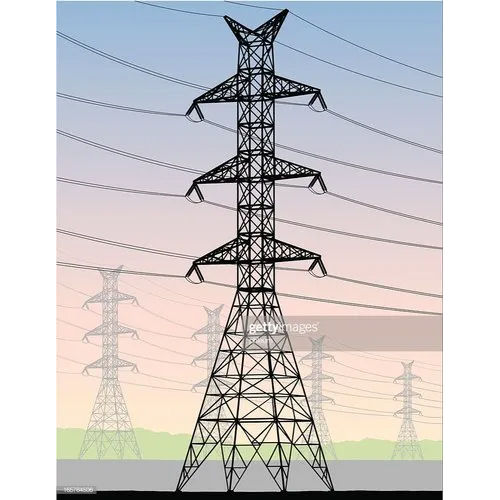
Tell us about your requirement

Price:
Quantity
Select Unit
- 50
- 100
- 200
- 250
- 500
- 1000+
Additional detail
Mobile number
Email

More Products in Transmission Line Towers Category
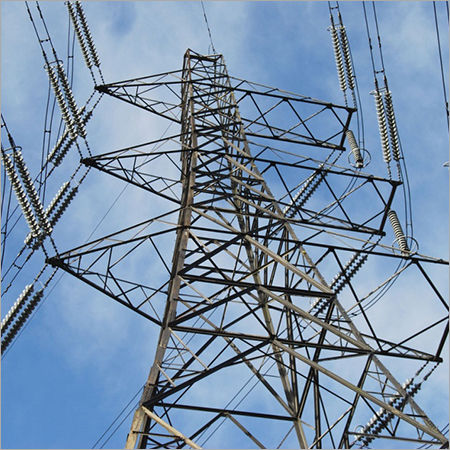
Electrical Transmission Line Tower
Minimum Order Quantity : 10 Metric Tons
Color : Silver / Metallic Grey
Thickness : 3 mm 30 mm
Application : Electrical Power Transmission
Surface Treatment : Galvanized
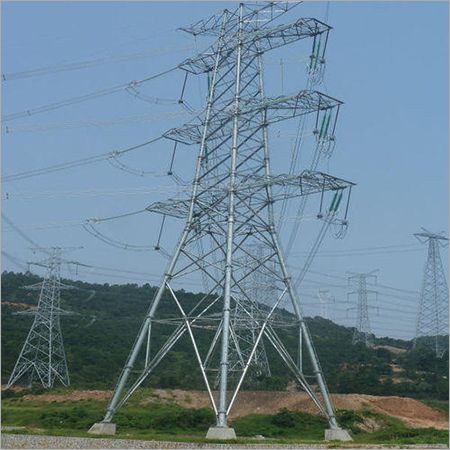
Transmission Line Tower
Price 82000 INR / Metric Ton
Minimum Order Quantity : 10 Metric Tons
Color : Silver
Thickness : 4 mm 20 mm
Application : Power Transmission, Distribution
Surface Treatment : AntiCorrosive Coating
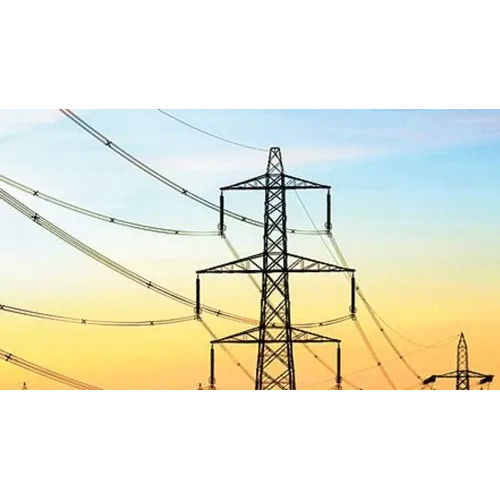
Power Transmission Tower
Price 75000 INR / Metric Ton
Minimum Order Quantity : 10
Color : Silver
Thickness : 3 mm to 20 mm
Application : Industrial
Surface Treatment : Galvanized

 Send Inquiry
Our Products

Plot no. 13, Samrat Nagar,Kolhapur - 416419, Maharashtra, India

Mr Sandesh Durge
(Director)
Mobile :08045476504
 Send Inquiry
 Send SMS
Developed and Managed by Infocom Network Private Limited.
